News
As thought-leaders in our industry, we deliver perspectives on a wide range of topics and policy matters while also bringing a human touch to healthcare.
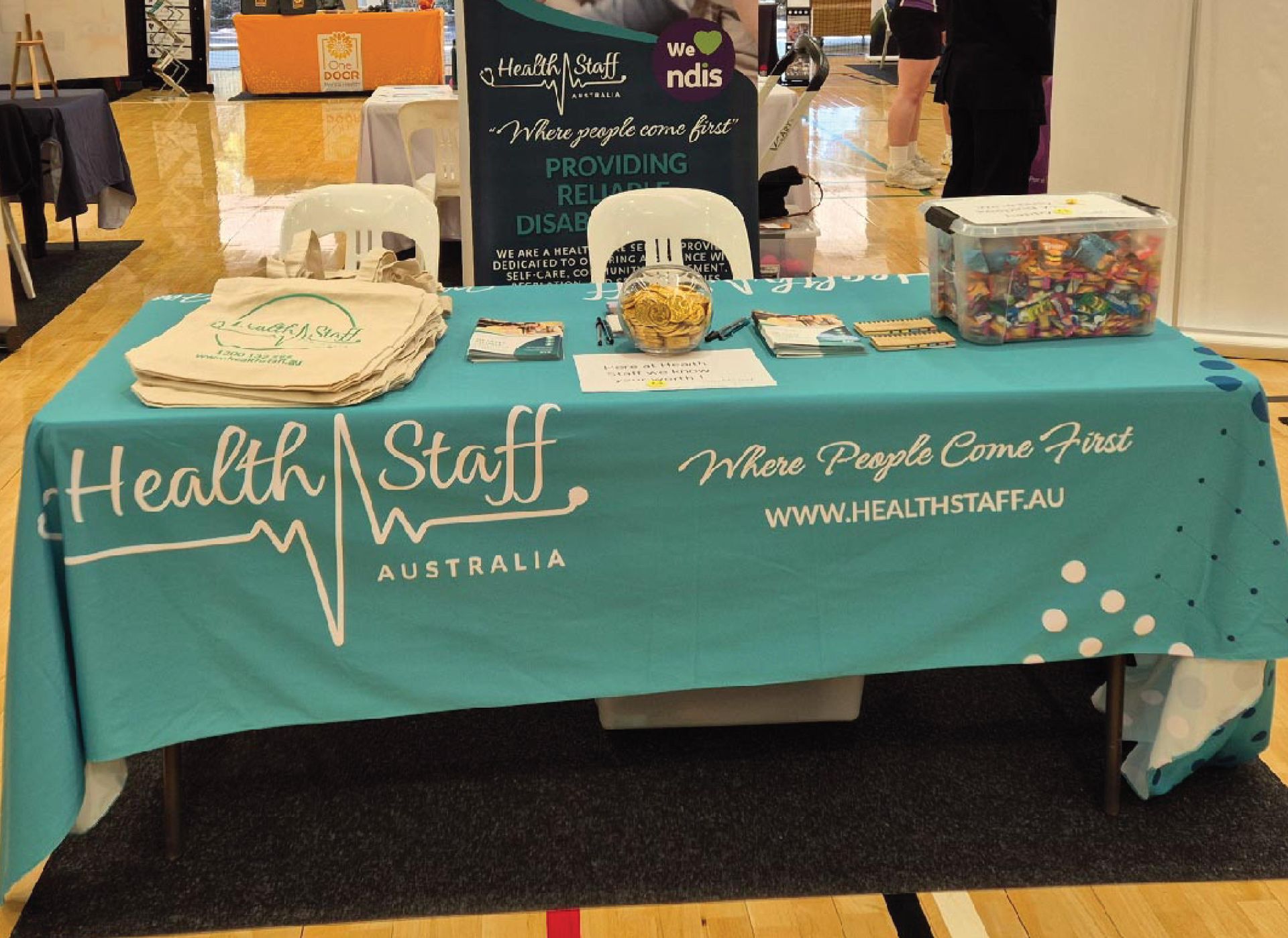
What a day! Thank you, Shoalhaven! 💙 Health Staff Australia was proud to be part of the Shoalhaven Disability Expo 2026, joining the community for a wonderful day focused on connection, inclusion, support and celebrating people of all abilities. With 97 stallholders coming together under one roof, the Expo provided an incredible opportunity for individuals, families, carers and community members to discover services, ask questions, share experiences and connect with organisations that can make a meaningful difference. Connecting with the Community Our Health Staff Australia team was there with our very own stand and table, and we were delighted to welcome so many people throughout the day. A huge thank you to everyone who stopped by our stand, took the time to chat with our team, asked questions and took our details. We loved meeting members of the Shoalhaven community and having the opportunity to introduce Health Staff Australia and the services and support we provide. "The conversations, connections and genuine interest we received made the day a real success for our team."

Health Staff Australia is excited to be attending the Shoalhaven Disability Expo 2026 once again as a supplier and exhibitor! Having attended in previous years, we know just how valuable this event is for bringing together people with disability, families, carers, support workers, health professionals, community organisations and service providers. Each year has provided us with a fantastic opportunity to meet new people, have meaningful conversations and connect with the Shoalhaven community. We’re looking forward to being back at Bomaderry on Wednesday, 16 September 2026, and we can’t wait to see both familiar faces and plenty of new ones. Come and Meet the Health Staff Australia Team Health Staff Australia will have a dedicated table at the Expo, and we’d love for you to come and introduce yourself! For our team, attending events like the Shoalhaven Disability Expo is about much more than simply being there as an exhibitor. It gives us the opportunity to connect with people directly, understand the needs of the community, answer questions and introduce people to the services and support we provide. Our previous experiences at the Expo have been incredibly positive. We’ve enjoyed meeting individuals and families, connecting with other service providers and professionals, and building relationships within the local community. These face-to-face conversations are an important part of what we do, and we’re excited to continue building on those connections this year. Whether you’re already familiar with Health Staff Australia or are discovering us for the first time, come and have a chat with our team. We’re always happy to answer questions, share information and talk about how our services may be able to support individuals, families and organisations. Discover Services, Support and Opportunities The Shoalhaven Disability Expo brings more than 90 exhibitors together under one roof, making it an excellent opportunity to discover the range of services and resources available throughout the Shoalhaven and surrounding communities.

For many people, home is much more than four walls and a roof. It's where routines are formed, confidence grows, friendships develop and life's everyday moments happen. For people living with disability, having the right home environment can make a significant difference to their independence, wellbeing and quality of life. That's where Supported Independent Living (SIL) comes in. Designed for NDIS participants who require support with everyday living, Supported Independent Living offers more than just accommodation. It provides a safe, supportive environment where people can develop practical life skills, work towards their personal goals and enjoy greater independence while receiving the level of support they need. Rather than focusing on what someone can't do, SIL focuses on what they can achieve with the right support beside them. A Home That Supports Independence Moving into a Supported Independent Living home is often a significant milestone. It represents the opportunity to gain greater independence while maintaining the reassurance of having experienced support workers available when needed. Every participant has unique goals, abilities and aspirations. Some may be working towards managing daily household tasks independently, while others may be focused on increasing community participation, building confidence or developing stronger social connections. SIL is designed to support these individual journeys, recognising that independence looks different for everyone. The beauty of Supported Independent Living is that support is personalised. Participants receive assistance that encourages them to do as much as they can for themselves while providing help where it is needed, creating the perfect balance between independence and support. Everyday Skills That Build Confidence Many of the skills we use every day are things we often take for granted. Preparing meals, doing laundry, shopping for groceries, managing appointments or keeping a home organised all contribute to living independently. Within a Supported Independent Living environment, these everyday activities become opportunities for learning, growth and achievement. Participants are encouraged to build practical life skills such as: Preparing healthy meals Shopping and budgeting Household cleaning and organisation Personal care routines Time management Using public transport Managing appointments Developing communication and social skills Every new skill learned contributes to greater confidence. Often, it's the small achievements that create the biggest sense of accomplishment, helping participants feel more capable and empowered in their daily lives. More Than Support—A Sense of Belonging One of the greatest benefits of Supported Independent Living is the sense of belonging it can provide. Living alongside others creates opportunities to form genuine friendships, share experiences and enjoy everyday moments together. Whether it's cooking dinner, celebrating birthdays, watching a favourite movie or heading out into the community, these shared experiences help reduce isolation and foster meaningful connections. Feeling part of a household can have a positive impact on emotional wellbeing, helping participants build confidence not only within their home but also in their wider community.

Change Is Coming — But What Does It Really Mean? The National Disability Insurance Scheme (NDIS) continues to evolve, and 2026 marks another important stage in its reform journey. With discussions around funding, eligibility, provider regulation, and service quality making headlines, it's understandable that many support workers are wondering how these changes will affect their day-to-day roles. The good news? While reforms may influence how services are delivered and managed, the heart of disability support remains the same: providing high-quality, person-centred care. Here's a closer look at the key changes and what they could mean for you. One of the major areas of reform is ensuring that NDIS funding is directed to participants who meet the scheme's eligibility criteria and receive supports that are considered "reasonable and necessary." The aim is to create greater consistency in decision-making while ensuring participants receive the supports they genuinely need. For support workers, this may result in more structured support plans, clearer participant goals, and a greater emphasis on documenting how supports help individuals achieve their outcomes. Planning That Prioritises Outcomes The NDIS is moving towards planning models that place greater importance on participant outcomes rather than simply allocating hours of support. Future plans are expected to become more streamlined, with clearer budgets and stronger links between supports and participant goals. As a support worker, this means your role extends beyond delivering care. Your observations, communication, and progress notes will become increasingly valuable in demonstrating how your support contributes to a participant's independence and quality of life. Stronger Standards for Providers The government is also strengthening provider regulation to improve safety, quality, and consistency across the disability sector. These changes include increased compliance requirements, enhanced safeguarding measures, and ongoing improvements to provider registration processes. For workers, this may mean more comprehensive onboarding, regular training, updated policies, and greater accountability in everyday practice. While this can feel like additional administration, the overall goal is to improve outcomes for participants and raise standards across the industry. Increased Accountability Across the Sector Another focus of the reforms is ensuring that NDIS funding is used appropriately and transparently. Providers are expected to maintain accurate records, demonstrate value for money, and clearly show how supports align with participant goals. As a result, support workers may notice a greater emphasis on completing shift notes, documenting progress, and maintaining high standards of communication with participants, families, and care teams. These records are no longer simply administrative tasks—they help demonstrate the quality and impact of the support being delivered. Despite the reforms, one thing remains constant: Australia continues to need compassionate, skilled, and dedicated disability support workers. As demand for disability services continues to grow, organisations are looking for professionals who communicate well, adapt to change, and genuinely care about improving the lives of others. Technology, policies, and funding models may evolve, but empathy, professionalism, and quality care will always remain at the centre of disability support. Looking Ahead The NDIS reforms are designed to strengthen the scheme, improve participant outcomes, and build greater confidence across the sector. For support workers, staying informed, embracing ongoing learning, and maintaining high standards of care will ensure you're well positioned for the future. While change can seem daunting, it also presents an opportunity to continue growing as a professional and delivering an even greater impact for the people who rely on your support every day. Further Reading For the latest information on NDIS reforms, visit: NDIS Review Final Report: https://www.ndisreview.gov.au/resources/final-report National Disability Insurance Agency (NDIA): https://www.ndis.gov.au NDIS Quality and Safeguards Commission: https://www.ndiscommission.gov.au

World Environment Day | 5 June When we think about healthcare, our minds naturally go to patient care, medical innovation, and improving lives. Sustainability is not always the first thing that comes to mind. Yet increasingly, the two are becoming impossible to separate. As we mark World Environment Day on 5 June , it’s a moment to reflect on how deeply connected environmental health and human health really are. From hospitals and aged care facilities to clinics and community health services, the way we design, power, and run healthcare systems has a real impact on the world around us. The Link We Can’t Ignore Healthcare professionals are often the first to see how environmental issues translate into real patient outcomes. Poor air quality, heatwaves, pollution, and climate-related illnesses are no longer distant concerns — they are becoming part of everyday clinical reality. At the same time, healthcare itself is a resource-heavy sector. It exists to save lives, but in doing so it relies on energy, water, single-use materials, and complex supply chains that all contribute to its environmental footprint. This creates an important challenge: how do we continue delivering high-quality care while reducing harm to the environment that ultimately supports human health? More Than an Environmental Issue Sustainability in healthcare is not just about emissions or waste reduction. It also touches the human side of healthcare delivery. The environments healthcare workers operate in matter. Lighting, air quality, space design, and even access to nature or green elements can influence stress levels, fatigue, and overall wellbeing. In a sector already facing workforce shortages and burnout pressures, this becomes even more important. Sustainable design and smarter systems don’t replace clinical care — they support the people delivering it. A Shift Already Happening in Australia Across Australia, healthcare providers are beginning to rethink how facilities operate. There is growing investment in energy-efficient buildings, renewable energy sources, improved waste management systems, and more responsible procurement practices. While change is gradual, the direction is clear: sustainability is becoming part of long-term healthcare planning rather than an optional extra.

The Human Touch in a Digital World: Why Support Workers Matter More Than Ever As healthcare continues to evolve, technology is playing a bigger role than ever before. From digital care records and remote monitoring systems to telehealth appointments and automated scheduling, the way care is delivered is becoming faster, smarter, and more connected. But even in this increasingly digital world, one thing remains irreplaceable — the human touch. At the heart of quality care are support workers. And no matter how advanced systems become, their role is more important now than ever before. Technology is transforming care — but it can’t replace connection Modern healthcare tools have improved efficiency and accessibility across the sector. Information can be shared instantly, care plans are more structured, and communication between providers has never been easier. However, care is not just about data, schedules, or systems. It is about people. A device can track vital signs, but it cannot offer reassurance during a difficult moment. A digital system can record needs, but it cannot interpret emotion, tone, or unspoken concerns. This is where support workers step in — bridging the gap between clinical care and human experience.

Why the country’s fastest-growing sector is facing a critical workforce shortage Australia is facing an unprecedented challenge in care — a data-driven crisis that is rapidly reshaping the healthcare landscape. As demand for aged care and disability support accelerates, the supply of qualified care workers is struggling to keep pace. The result? A “perfect storm” where providers are under pressure, workers are stretched thin, and the need for sustainable solutions has never been greater. The Care Crisis: A Sector Under Pressure The care and support sector is now Australia’s largest employing industry , accounting for over 16% of the national workforce . Yet despite its size, demand continues to surge at a pace the system is not fully prepared for. Aged care and disability support roles are projected to be among the fastest-growing occupations over the next decade , driven by both demographic and policy changes. Simply put: more Australians need care than ever before — and that number is only rising. A Demographic Shift Driving Demand At the heart of this demand is a significant and accelerating demographic shift. Australia’s population aged 65 and over is expected to increase by more than 2 million (67.8%) between 2024 and 2044 The number of Australians aged 85+ — those with the highest care needs — will grow by 67% between 2024 and 2035 The number of people requiring care is projected to rise from 1.5 million today to 2.5 million by 2050 This ageing population is not just growing — it is living longer, often with more complex health needs that require consistent, skilled support. At the same time, the expansion of the National Disability Insurance Scheme (NDIS) continues to increase demand for qualified disability support workers, further intensifying pressure on the system. The Workforce Shortage Crunch While demand accelerates, workforce supply is falling behind. Australia could face a shortfall of 400,000 aged care workers by 2050 The NDIS sector alone requires an additional 128,000 workers by mid-2025 Staff turnover remains high, with attrition rates between 17% and 25% in disability support roles This shortage is not just about numbers — it’s about sustainability. High turnover, burnout, and ongoing recruitment challenges are making it increasingly difficult for providers to maintain consistent, high-quality care. Why Agencies Like Health Staff Australia Are Essential In this high-pressure environment, healthcare providers are realising they cannot solve workforce challenges alone. This is where specialist staffing agencies like Health Staff Australia (HSA) play a critical role.

Starting your first role as a support worker is an exciting step in your healthcare career. At Health Staff Australia, we understand that stepping into a new environment — whether in aged care, disability support or community services — can feel both rewarding and overwhelming. The key to success lies in preparation, professionalism and the right mindset. Before your first shift, it’s important to ensure all compliance requirements are completed and up to date. This typically includes your National Police Check, Working With Children Check (if required), NDIS Worker Screening Check where applicable, current First Aid and CPR certification, relevant qualifications, immunisation records, proof of ID and your right to work documentation. Having your paperwork organised not only prevents delays but also demonstrates reliability and readiness from day one. Understanding your role is equally important. Take time to carefully review your employment contract, position description and any client care plans provided. Familiarise yourself with workplace policies, reporting structures and documentation procedures. If you are unsure about any aspect of your responsibilities, clarify this with your consultant or supervisor before your first shift. Confidence comes from knowing exactly what is expected of you. Practical preparation can significantly reduce first-day nerves. Confirm your shift time and location, plan your travel route in advance and allow extra time for unforeseen delays. Lay out your uniform the night before and pack essentials such as photo identification, a notebook, pen and water bottle. Presenting yourself professionally and arriving early sets a strong first impression with both colleagues and clients. Refreshing key skills ahead of your assignment can also make a difference. Reviewing manual handling techniques, infection control practices, documentation standards and effective communication approaches will help you feel competent and capable. Even experienced support workers benefit from revisiting best-practice guidelines before entering a new workplace.

Independence Looks Different for Everyone Living independently is something many people take for granted. For individuals living with disability, mobility challenges or learning difficulties, independence may look very different — and that’s okay. Some clients live in their own homes with regular support visits, while others live in supported or community accommodation. No matter the setting, independence isn’t about doing everything alone. It’s about having choice, control and the right level of support to live a fulfilling life. Daily living skills can include: Preparing meals Managing medication Personal care and hygiene Using public transport Attending appointments Engaging in social and community activities With the right support, these everyday tasks become opportunities for growth, confidence and connection. Why Supporting Independence Matters When individuals feel empowered to make decisions and participate in daily life, their wellbeing improves significantly. Independence helps reduce anxiety, strengthens self-esteem and encourages community participation. Without consistent and thoughtful support, individuals may experience increased stress, vulnerability or social withdrawal. In some cases, a lack of appropriate guidance can place people at risk of exploitation or unsafe situations. That’s why providing reliable, person-centred support is so important — especially in home care environments.

Supporting Our Care Workers: How Health Staff Australia Prioritizes Training, Wellbeing, and Career Growth In 2026, the landscape of healthcare continues to evolve rapidly, and the demand for compassionate, skilled nurses and support workers in disability and aged care has never been greater. At Health Staff Australia, we recognize that the heart of exceptional care lies in the hands of our dedicated workforce. That’s why supporting our care workers through comprehensive training, wellbeing initiatives, and meaningful career growth opportunities remains central to everything we do.