Celebrating World Blood Donor Day in Australia

Why Not You? Why Not Now?


If you had the chance to save up to three lives in under an hour—no cape, no superpowers needed

—would you do it? 


On June 14, we celebrate World Blood Donor Day, and here in Australia, it’s also National Blood Donor Week—a time to pause and thank everyday legends who give a little to make a massive difference. But let’s be real: this isn’t just a celebration. It’s a call to action. 


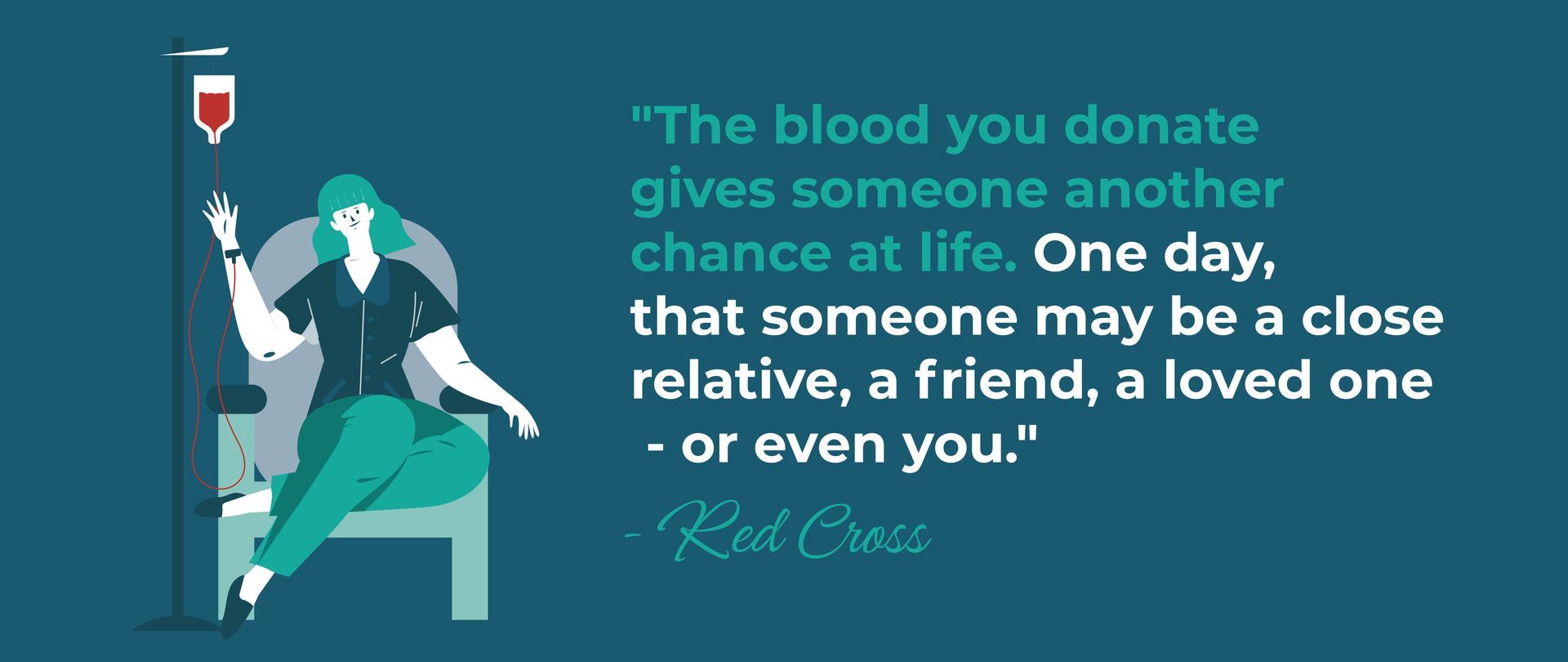
Because while 1 in 3 Aussies will need blood or blood products in their lifetime, only 1 in 30 actually donates. That’s a whole lot of Aussies counting on a very small, very generous group of people to keep the rest of us alive. 


The Real-Life Impact of One Small Act 


It might feel like a small thing—lying back for 10 minutes, squeezing a stress ball, and enjoying a free juice—but blood donation keeps Australia’s health system moving. Every single donation goes further than you might think. It could be used in a life-saving surgery, during a cancer patient’s treatment, or to help someone recover from a major car accident. 


Then there’s plasma—the golden liquid used in over 18 different medical treatments. Plasma is used to help patients with cancer, burns, immune deficiencies, haemophilia, kidney conditions, and more. And the need for plasma is growing fast. In fact, plasma donations are now the most in-demand donation type in Australia. 


Think your one donation won’t make a difference? 


Let’s talk about James Harrison, the Aussie known as the “Man with the Golden Arm.” After life-saving surgery in his teens, James pledged to give back—and he did, 1,173 times over more than six decades. His rare blood was used to help make an injection that saved 2.4 million Australian babies from a deadly condition called Rh disease. James passed away peacefully earlier this year at age 88, and his legacy reminds us what one person—just one—can do. 


Why People Don't Donate

(And Why Those Reasons Might Not Hold Up) 


We get it. Life’s busy. Needles aren’t exactly a crowd favourite. You’ve got work deadlines, travel plans, or maybe a low-iron warning from that one blood test in 2012 still rings in your ears. But let’s be honest: a lot of us are counting ourselves out without really checking if we’re in. 


Some of the most common reasons people don’t donate? 


  • “I’ve got tattoos or piercings.” Totally fine—usually you only need to wait four months after getting them. 
  • “I’ve travelled recently.” Travel exclusions aren’t what they used to be. Check the latest guidelines—you might already be cleared. 
  • “I’m on medication.” Lots of medications are donation-safe. When in doubt, just ask. 
  • “It takes too long.” Most donations take less than an hour—faster than your average dentist appointment and infinitely more fun (plus better snacks). 
  • “I thought I couldn’t.” That’s the big one. A lot of people think they’re ineligible when they’re not. In fact, more than 13 million Australians may be eligible but aren’t donating. 


So if it’s been a while—or if you’ve never donated—now’s the time to check. Because every four minutes, Australia needs a new donor to meet demand. That’s not a once-in-a-while thing. It’s a constant, and right now, the need is the greatest it’s been in nearly a decade. 


 Thinking About Donating for the First Time? 


We know the first step can feel like the biggest one.

But honestly? It’s not scary. It’s actually kind of… great.


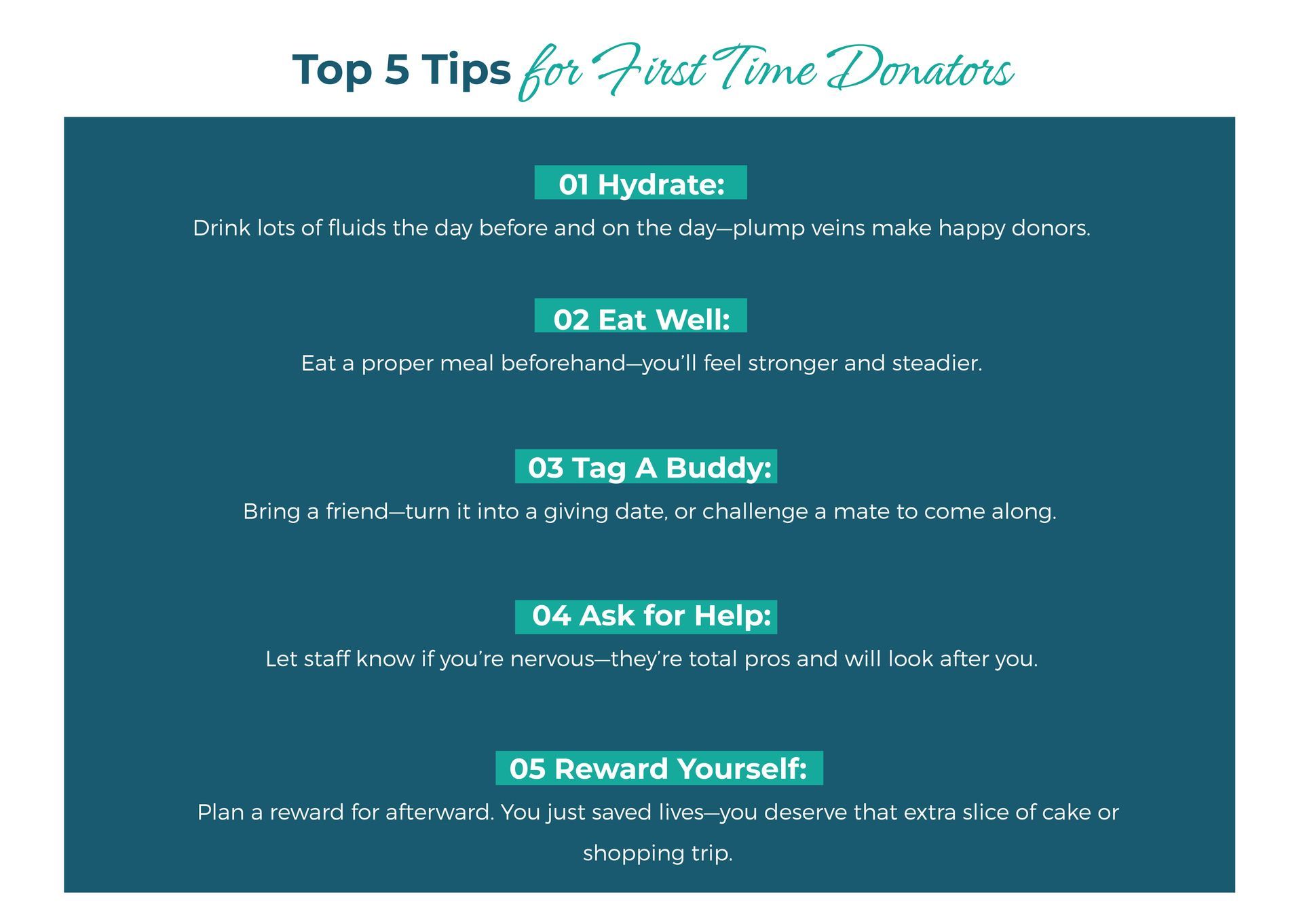
Lifeblood donation centres are friendly, chill, and welcoming. You’ll be greeted with smiles, helped every step of the way, and get to relax afterwards with a snack! Here are some quick tips to make your first donation feel easy (and rewarding). And here’s a little bonus: studies have shown that people who give blood regularly often report feeling healthier, happier, and more connected to their community.

So yes, it actually feels good to help others


What’s Your Reason? 


For some, it’s deeply personal.

Maybe they had a loved one in hospital. For others, it’s about giving back to the community or supporting cancer patients. Some do it for the snacks. (No judgment here.)


Others want to show their kids what real-life heroism looks like. Whatever your reason,

it’s the right reason. 


This National Blood Donor Week, we’re celebrating the lifesavers—every single one of them.

And maybe, just maybe, we’re hoping you’ll become one too. 


So if you’ve ever thought about donating but just haven’t made it happen yet, let this be your moment. Book it. Try it. Share your reason. You might just inspire someone else to do the same. 


Visit www.lifeblood.com.au or call 13 14 95 to check your eligibility and make your appointment. 

Your one small act could become someone else’s second chance at life.

And that? That’s something worth doing today. 


Resources: 


https://www.lifeblood.com.au/national-blood-donor-week 


https://www.pbi.org.au/news/world-blood-donor-day-2024 


 https://pubmed.ncbi.nlm.nih.gov/37464879/ 
 

February is often called the month of love — a time to reflect on connection, kindness and care for
February 2, 2026
Independence Looks Different for Everyone Living independently is something many people take for granted. For individuals living with disability, mobility challenges or learning difficulties, independence may look very different — and that’s okay. Some clients live in their own homes with regular support visits, while others live in supported or community accommodation. No matter the setting, independence isn’t about doing everything alone. It’s about having choice, control and the right level of support to live a fulfilling life. Daily living skills can include: Preparing meals Managing medication Personal care and hygiene Using public transport Attending appointments Engaging in social and community activities With the right support, these everyday tasks become opportunities for growth, confidence and connection. Why Supporting Independence Matters When individuals feel empowered to make decisions and participate in daily life, their wellbeing improves significantly. Independence helps reduce anxiety, strengthens self-esteem and encourages community participation. Without consistent and thoughtful support, individuals may experience increased stress, vulnerability or social withdrawal. In some cases, a lack of appropriate guidance can place people at risk of exploitation or unsafe situations.  That’s why providing reliable, person-centred support is so important — especially in home care environments.
January 5, 2026
Supporting Our Care Workers: How Health Staff Australia Prioritizes Training, Wellbeing, and Career Growth In 2026, the landscape of healthcare continues to evolve rapidly, and the demand for compassionate, skilled nurses and support workers in disability and aged care has never been greater. At Health Staff Australia, we recognize that the heart of exceptional care lies in the hands of our dedicated workforce.  That’s why supporting our care workers through comprehensive training, wellbeing initiatives, and meaningful career growth opportunities remains central to everything we do.
December 3, 2025
Behind the Scenes with Health Staff Australia The festive season is a time filled with excitement, family gatherings, and warm celebrations— but for many of our clients, it can also be a challenging time. That’s where our incredible support workers step in. Their Christmas Day doesn’t always look like everyone else’s, yet it is filled with just as much meaning, connection, and joy. Here’s a warm behind-the-scenes look at what a typical Christmas shift can look like for one of our dedicated support workers. Starting the Day with Purpose While most people wake up to presents under the tree, our support workers start their day with something just as meaningful: a commitment to care. The morning begins early, with a quick check of their schedule and client notes to ensure they’re fully prepared for the day ahead. Whether visiting an elderly client living alone or assisting someone with higher needs, they arrive with a smile, knowing they are often the first friendly face their client sees on Christmas morning. Bringing Festive Cheer Into the Home Small acts of joy make a world of difference. Our support workers help clients open holiday cards, set the table for a simple Christmas lunch, or play their favourite festive music to create a warm atmosphere. For clients with limited mobility or special care needs, they gently assist with personal care, medication, and daily tasks—ensuring they feel comfortable, supported, and included in the celebrations. One of the most touching parts of the day is simply sharing conversation. Many clients love reminiscing about Christmas traditions, family memories, or holidays from years gone by. These moments of connection are what truly brighten the day. Supporting Families So They Can Celebrate Too Christmas can be overwhelming for families managing care responsibilities. Support workers give loved ones the chance to relax, host gatherings, attend church services, or simply enjoy time together—knowing their family member is in safe, capable hands. This relief is often the greatest gift we can give. Navigating the Unexpected with Compassion The festive season doesn’t pause the complexities of caring. Whether it’s a change in behaviour, a sudden emotional moment, or the need for extra reassurance, our team handles each situation with calmness and empathy. Their ability to adapt, respond, and uplift clients is a testament to their skill and heart. Ending the Shift with Fulfilment As the day winds down, support workers complete their notes, tidy up the home, and make sure their client is settled and content. They leave quietly, knowing they’ve made someone’s Christmas safer, brighter, and more connected. Many finish their shift and head to their own evening celebrations with loved ones—often tired, but deeply fulfilled. Why This Work Matters Behind every Christmas shift is a person who chooses kindness, service, and humanity. Our support workers bring light into homes that might otherwise feel lonely or overwhelming during the holidays. Their presence ensures every client—no matter their needs—can experience dignity, comfort, and the warmth of the season. This festive period, we celebrate them. Their dedication. Their compassion. Their unwavering commitment to care.  From all of us at Health Staff Australia , thank you to our incredible team for everything you do—not just at Christmas, but all year round.