A Day in the Life of a Support Worker During Christmas
Behind the Scenes with Health Staff Australia

The festive season is a time filled with excitement, family gatherings, and warm celebrations—

but for many of our clients, it can also be a challenging time. That’s where our incredible support workers step in.


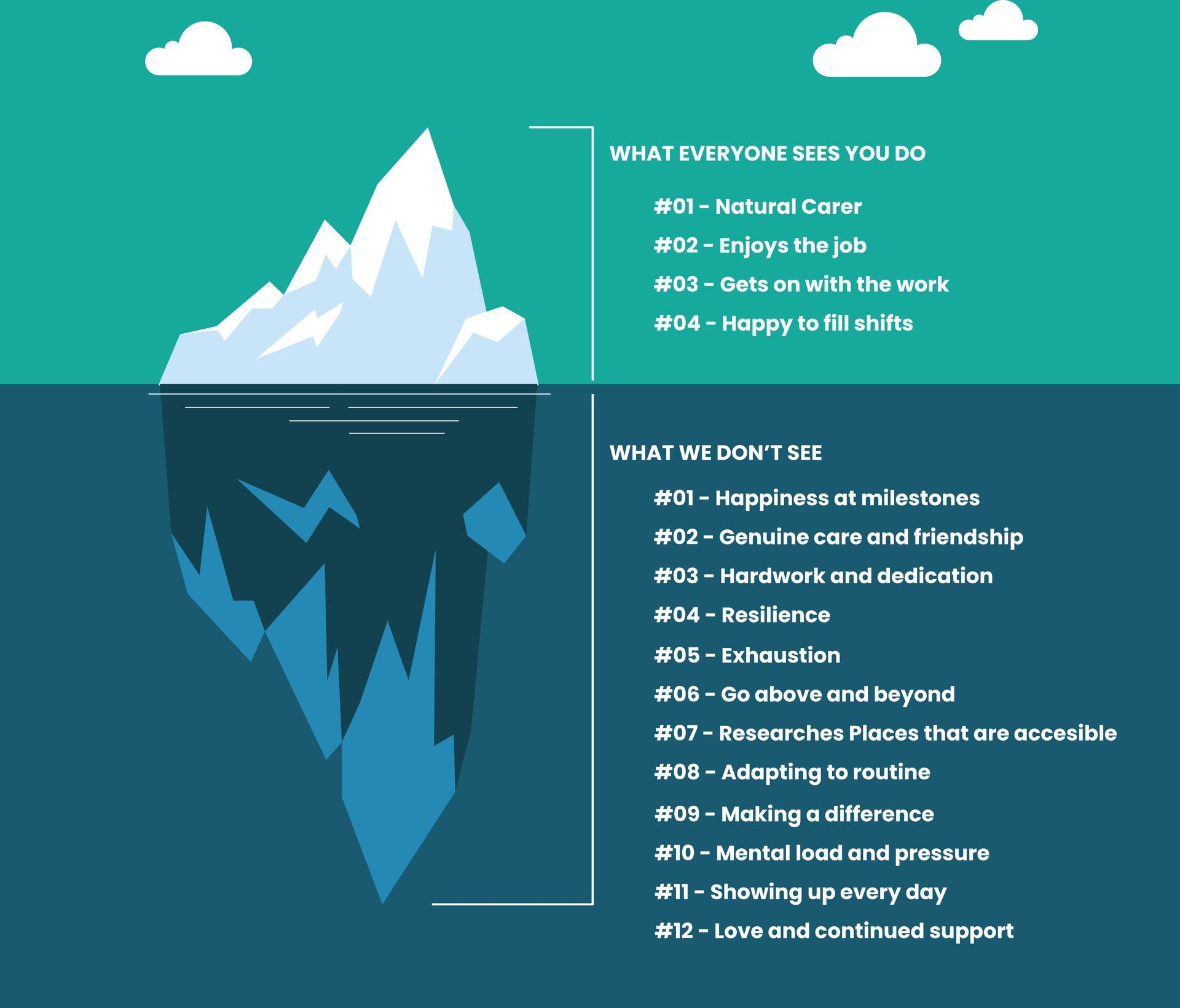
Their Christmas Day doesn’t always look like everyone else’s, yet it is filled with just as much meaning, connection, and joy. Here’s a warm behind-the-scenes look at what a typical Christmas shift can look like for one of our dedicated support workers.


Starting the Day with Purpose

While most people wake up to presents under the tree, our support workers start their day with something just as meaningful: a commitment to care. The morning begins early, with a quick check of their schedule and client notes to ensure they’re fully prepared for the day ahead.


Whether visiting an elderly client living alone or assisting someone with higher needs, they arrive with a smile, knowing they are often the first friendly face their client sees on Christmas morning.


Bringing Festive Cheer Into the Home

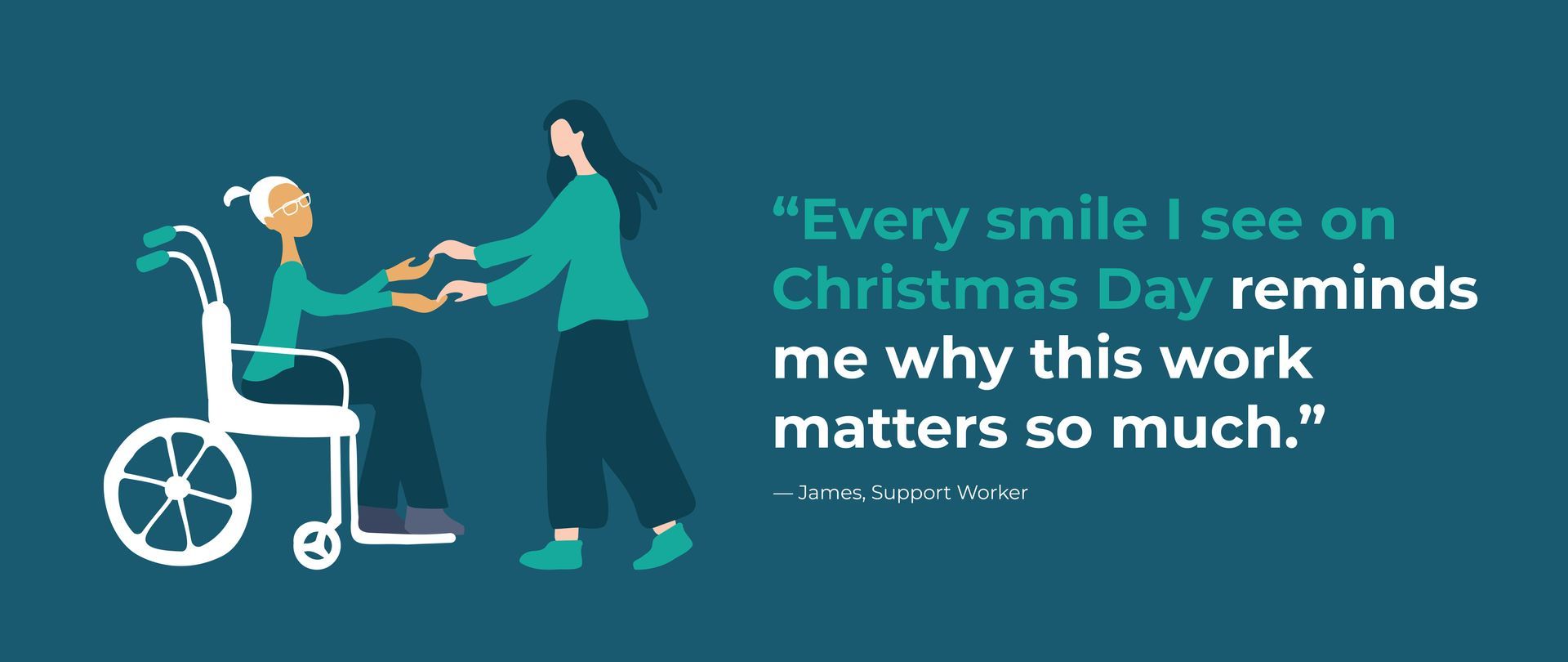
Small acts of joy make a world of difference. Our support workers help clients open holiday cards, set the table for a simple Christmas lunch, or play their favourite festive music to create a warm atmosphere. For clients with limited mobility or special care needs, they gently assist with personal care, medication, and daily tasks—ensuring they feel comfortable, supported, and included in the celebrations.


One of the most touching parts of the day is simply sharing conversation. Many clients love reminiscing about Christmas traditions, family memories, or holidays from years gone by. These moments of connection are what truly brighten the day.


Supporting Families So They Can Celebrate Too

Christmas can be overwhelming for families managing care responsibilities.

Support workers give loved ones the chance to relax, host gatherings, attend church services, or simply enjoy time together—knowing their family member is in safe, capable hands. This relief is often the greatest gift we can give.


Navigating the Unexpected with Compassion

The festive season doesn’t pause the complexities of caring. Whether it’s a change in behaviour, a sudden emotional moment, or the need for extra reassurance, our team handles each situation with calmness and empathy. Their ability to adapt, respond, and uplift clients is a testament to their skill and heart.


Ending the Shift with Fulfilment

As the day winds down, support workers complete their notes, tidy up the home, and make sure their client is settled and content. They leave quietly, knowing they’ve made someone’s Christmas safer, brighter, and more connected. Many finish their shift and head to their own evening celebrations with loved ones—often tired, but deeply fulfilled.


Why This Work Matters

Behind every Christmas shift is a person who chooses kindness, service, and humanity. Our support workers bring light into homes that might otherwise feel lonely or overwhelming during the holidays. Their presence ensures every client—no matter their needs—can experience dignity, comfort, and the warmth of the season.


This festive period, we celebrate them. Their dedication. Their compassion. Their unwavering commitment to care.


From all of us at Health Staff Australia, thank you to our incredible team for everything you do—not just at Christmas, but all year round.
November 3, 2025
The Power of Kindness in Child Development Celebrating World Kindness Day – 13 November Every year on 13 November, we celebrate World Kindness Day — a day that reminds us that compassion and understanding have the power to make the world a better place for everyone, especially for children. The Origins of World Kindness Day World Kindness Day was established in 1998 by the World Kindness Movement (WKM), a global coalition formed a year earlier in Tokyo. Independent of any religion, culture, or political group, the WKM’s mission is clear: “to inspire individuals and connect nations to create a kinder world.” At its heart, the movement reminds us that kindness is a universal language — one that transcends barriers and celebrates our shared humanity. Why Kindness Matters — Especially for Children with Disabilities Every child deserves the chance to grow, learn, and thrive — to be seen, heard, and included. For children with disabilities, kindness can be the difference between isolation and belonging. At Save the Children, we believe that early childhood development is an investment for life. When we nurture children’s physical, emotional, and intellectual growth, we lay the foundation for a future of confidence and independence. But for children with disabilities, this foundation also depends on something equally vital — acceptance, inclusion, and kindness. Acts of kindness help children with disabilities feel valued and capable. They also teach other children to look beyond differences and see the unique strengths that every individual brings to the world. The Science Behind Kindness Studies show that kindness benefits both the giver and the receiver. It: 💗 Boosts empathy, confidence, and self-esteem 🌱 Reduces stress and promotes emotional well-being 🧠 Encourages cooperation and stronger social bonds 🌈 Builds inclusive, compassionate communities When children grow up in environments where kindness is practiced and modeled, they learn to approach others with empathy — not judgment. This emotional intelligence shapes how they navigate relationships, school, and later life.
September 29, 2025
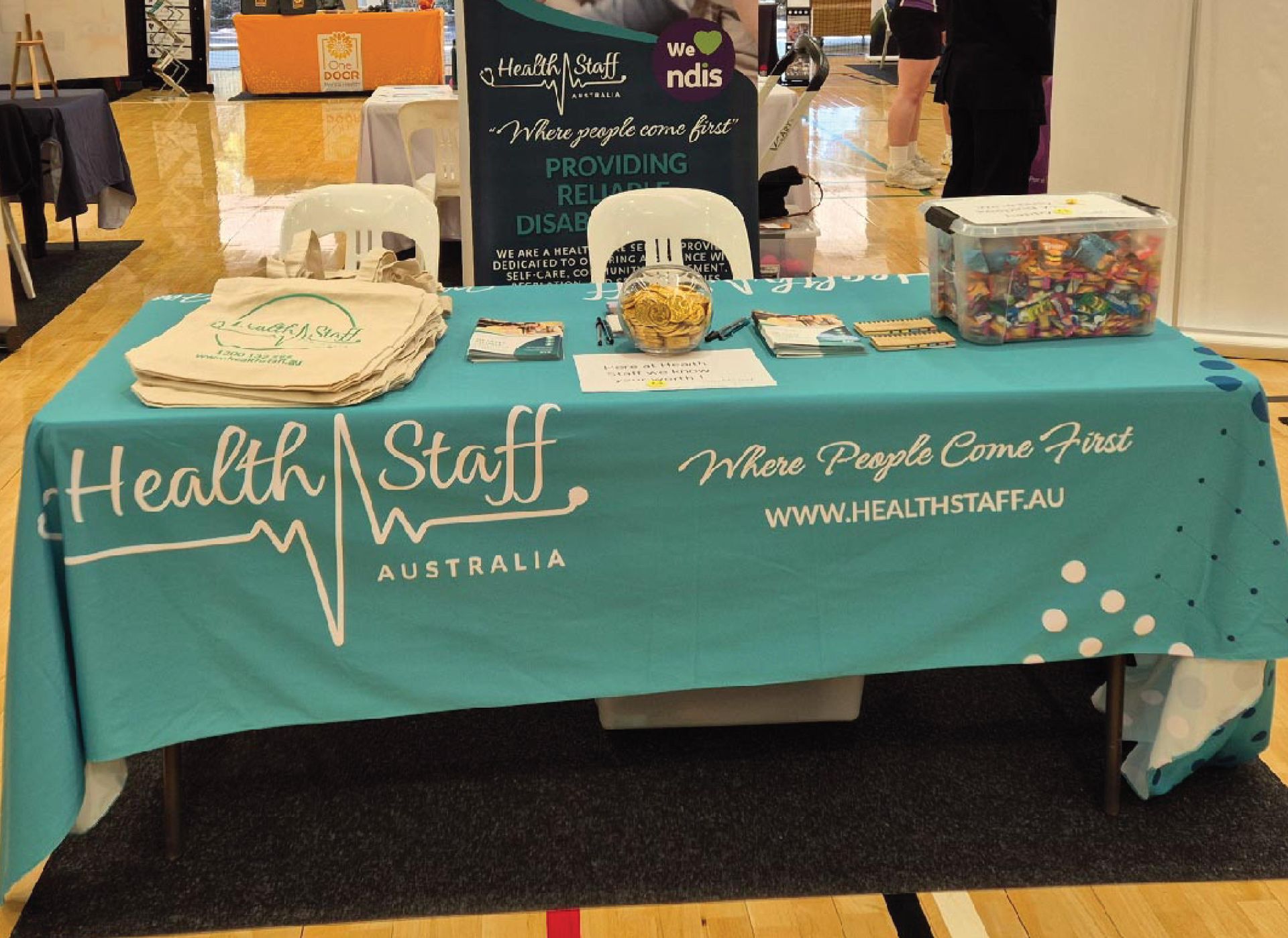
Health Staff Australia Going Places! Shoalhaven Disability Expo 2025 On Tuesday, 17 September 2025, we had an amazing time attending and showcasing at this year’s Shoalhaven Disability Expo at the Shoalhaven Indoor Sports Centre in Bomaderry. Now in its 11th year, this expo is the largest volunteer-run, not-for-profit event in the region, bringing together people of all abilities, families, carers, and friends for a day full of learning, connection, and fun. The expo was buzzing with over 90 service providers, engaging activities, and local community groups — and our stand definitely stood out! We had the chance to meet incredible people, make new friends, and connect with the community in a meaningful way. Every conversation, smile, and shared story reminded us why we love being part of events like this.  From meaningful chats with families and carers to connecting with other service providers, the day was packed with energy, inspiration, and a real sense of community. Our team brought their A-game, showcasing what Health Staff Australia has to offer, while having an absolute blast meeting everyone who stopped by our stand. A huge thank you to our amazing staff who made this possible — your energy and enthusiasm lit up the room! And of course, a big shout-out to the Shoalhaven Disability Forum for organizing such an inclusive and vibrant event, including the Quiet Hour from 12:00pm – 1:00pm, which made the day even more welcoming for everyone. We left the expo inspired, energized, and already looking forward to next year. To everyone who visited our stand — thank you for making it such a memorable day. Can’t wait to see you all again! Health Staff Australia is proud to be part of the Shoalhaven community , connecting, sharing, and supporting people of all abilities, their families, and carers — one exciting event at a time!
Each year, an estimated 720,000 people die by suicide worldwide. The impact is devastating — ripplin
September 8, 2025
World Suicide Prevention Day 2025: Changing the Narrative on Suicide Why World Suicide Prevention Day Matters Each year, an estimated 720,000 people die by suicide worldwide . The impact is devastating — rippling through families, friendships, workplaces, and entire communities. Behind every statistic is a story, a life, and loved ones left behind. This reality reminds us why World Suicide Prevention Day (WSPD) matters. On 10 September 2025 , people and organisations across the globe will come together to mark WSPD under the theme: “Changing the Narrative on Suicide.” This year, the campaign is placing particular emphasis on accessibility, with resources translated into more languages so the message of hope can reach more people, in more places. As Professor Jo Robinson, President of the International Association for Suicide Prevention (IASP), shares: “Suicide prevention is a shared commitment that unites us across borders, cultures, and communities. As we continue our journey to change the narrative on suicide, let us ensure our message of hope and understanding reaches everyone — in every corner of the world.” What Does “Changing the Narrative” Mean? For too long, conversations about suicide have been surrounded by silence, stigma, and misunderstanding. Changing the narrative means shifting towards openness, empathy, and support. It’s about making suicide prevention everybody’s business — not just the responsibility of mental health professionals. The movement calls us to action in several key ways: Raising awareness and understanding through open, compassionate conversations. Advocating for the decriminalisation of suicide and the development of national suicide prevention strategies. Taking action by checking in with loved ones, sharing stories, and participating in training. Ensuring that people in crisis areas have access to mental health care and protective support. Ways You Can Get Involved in World Suicide Prevention Day 1. Start a Conversation and Raise Awareness Online A simple post using #WSPD can help challenge stigma and spread hope. Free resources, posters, and videos are available through organisations such as Suicide Prevention Australia, Lifeline, and the International Association for Suicide Prevention. 2. Raise Awareness at Work Workplaces play a powerful role in shaping culture and supporting staff. Host an event, share resources with your team, or consider creating a wellbeing initiative that prioritises mental health in your workplace. 3. Reach Out to Someone If you notice a friend, colleague, or family member struggling, reaching out can make all the difference. Asking “How are you really going?” might be exactly what they need to hear. 4. Listen Well When someone shares their worries, listen without judgment. Don’t minimise their feelings or rush to provide answers. Sometimes, being heard is the most powerful form of support. 5. Rethink Attitudes Toward Mental Health Reject harmful ideas like “just get over it” or “toughen up.” Encouraging openness shows people it’s safe to talk about their struggles and seek help when they need it. 6. Encourage People to Seek Support Whether it’s through a GP, a counsellor, or a helpline, professional help can make a huge difference. Remind those around you that seeking support is a sign of strength, not weakness.