We attended the Shoalhaven Disability Expo 2025

Health Staff Australia Going Places!

Shoalhaven Disability Expo 2025


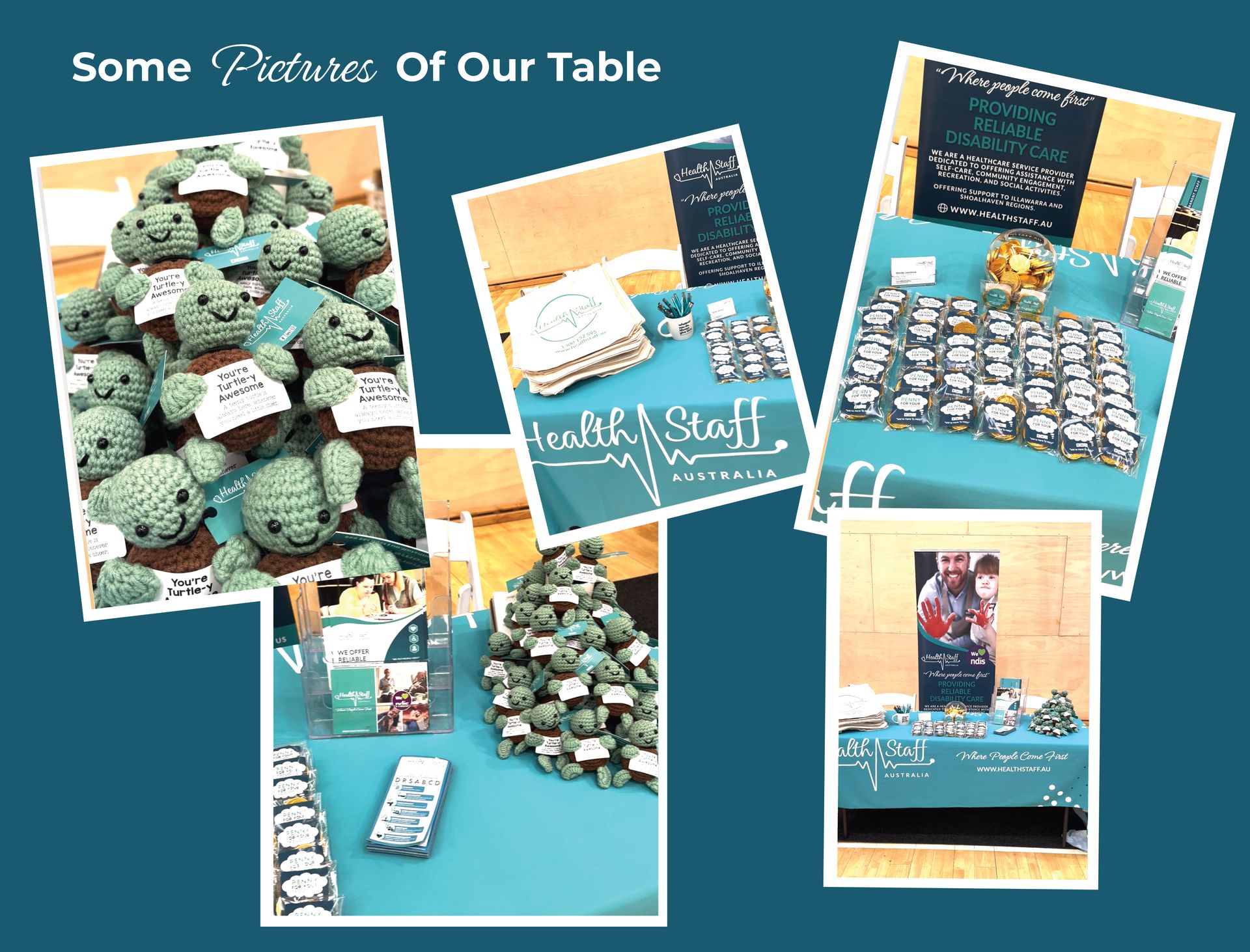
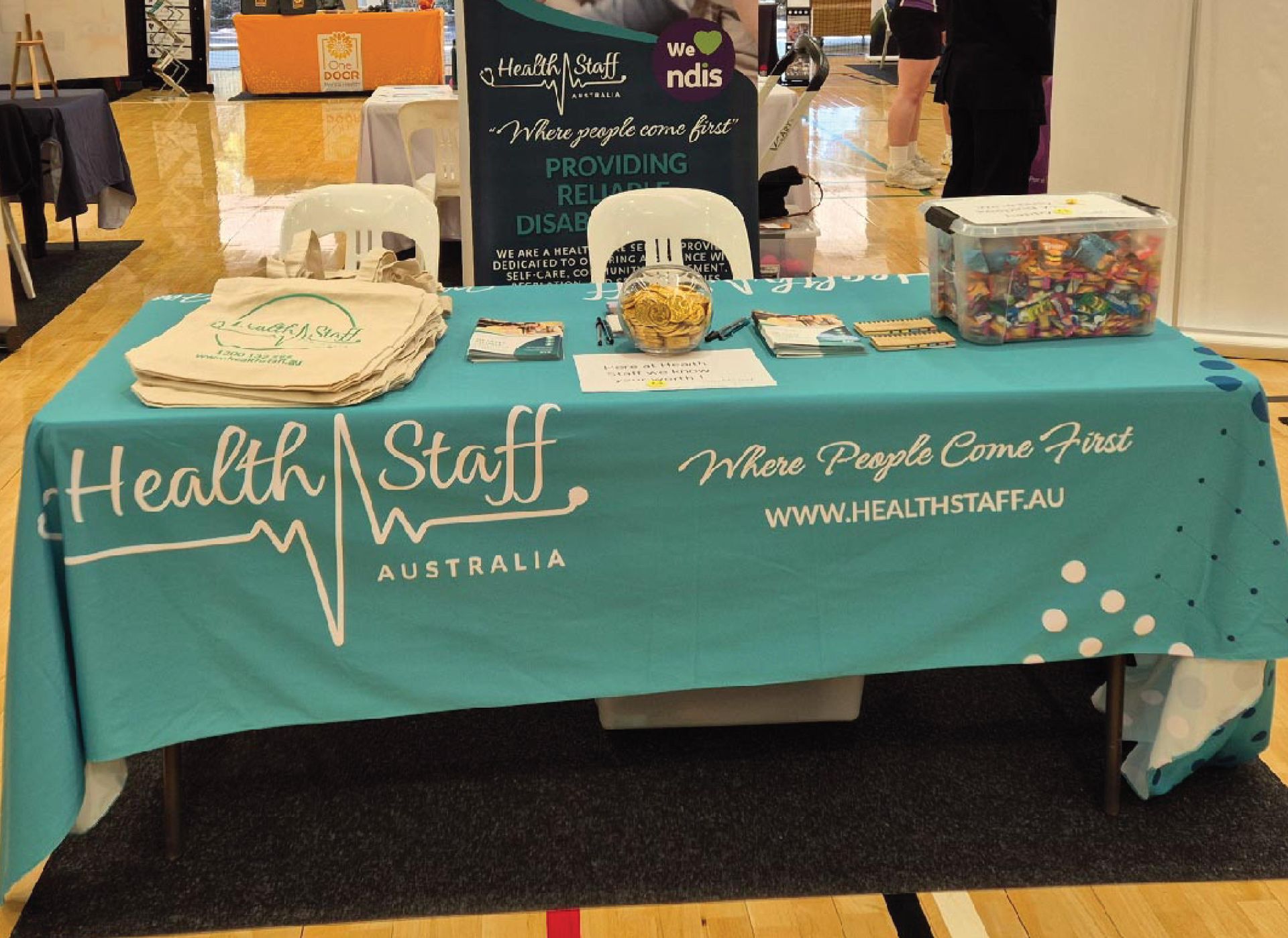
On Tuesday, 17 September 2025, we had an amazing time attending and showcasing at this year’s Shoalhaven Disability Expo at the Shoalhaven Indoor Sports Centre in Bomaderry. Now in its 11th year, this expo is the largest volunteer-run, not-for-profit event in the region, bringing together people of all abilities, families, carers, and friends for a day full of learning, connection, and fun.


The expo was buzzing with over 90 service providers, engaging activities, and local community groups — and our stand definitely stood out! We had the chance to meet incredible people, make new friends, and connect with the community in a meaningful way. Every conversation, smile, and shared story reminded us why we love being part of events like this.


From meaningful chats with families and carers to connecting with other service providers, the day was packed with energy, inspiration, and a real sense of community. Our team brought their A-game, showcasing what Health Staff Australia has to offer, while having an absolute blast meeting everyone who stopped by our stand.


A huge thank you to our amazing staff who made this possible — your energy and enthusiasm lit up the room! And of course, a big shout-out to the Shoalhaven Disability Forum for organizing such an inclusive and vibrant event, including the Quiet Hour from 12:00pm – 1:00pm, which made the day even more welcoming for everyone.


We left the expo inspired, energized, and already looking forward to next year. To everyone who visited our stand — thank you for making it such a memorable day.

Can’t wait to see you all again! Health Staff Australia is proud to be part of the Shoalhaven community, connecting, sharing, and supporting people of all abilities, their families, and carers — one exciting event at a time!
March 30, 2026
Why the country’s fastest-growing sector is facing a critical workforce shortage Australia is facing an unprecedented challenge in care — a data-driven crisis that is rapidly reshaping the healthcare landscape. As demand for aged care and disability support accelerates, the supply of qualified care workers is struggling to keep pace. The result? A “perfect storm” where providers are under pressure, workers are stretched thin, and the need for sustainable solutions has never been greater. The Care Crisis: A Sector Under Pressure The care and support sector is now Australia’s largest employing industry , accounting for over 16% of the national workforce . Yet despite its size, demand continues to surge at a pace the system is not fully prepared for. Aged care and disability support roles are projected to be among the fastest-growing occupations over the next decade , driven by both demographic and policy changes. Simply put: more Australians need care than ever before — and that number is only rising. A Demographic Shift Driving Demand At the heart of this demand is a significant and accelerating demographic shift. Australia’s population aged 65 and over is expected to increase by more than 2 million (67.8%) between 2024 and 2044 The number of Australians aged 85+ — those with the highest care needs — will grow by 67% between 2024 and 2035 The number of people requiring care is projected to rise from 1.5 million today to 2.5 million by 2050 This ageing population is not just growing — it is living longer, often with more complex health needs that require consistent, skilled support. At the same time, the expansion of the National Disability Insurance Scheme (NDIS) continues to increase demand for qualified disability support workers, further intensifying pressure on the system. The Workforce Shortage Crunch While demand accelerates, workforce supply is falling behind. Australia could face a shortfall of 400,000 aged care workers by 2050 The NDIS sector alone requires an additional 128,000 workers by mid-2025 Staff turnover remains high, with attrition rates between 17% and 25% in disability support roles This shortage is not just about numbers — it’s about sustainability. High turnover, burnout, and ongoing recruitment challenges are making it increasingly difficult for providers to maintain consistent, high-quality care. Why Agencies Like Health Staff Australia Are Essential In this high-pressure environment, healthcare providers are realising they cannot solve workforce challenges alone.  This is where specialist staffing agencies like Health Staff Australia (HSA) play a critical role.
March 2, 2026
Starting your first role as a support worker is an exciting step in your healthcare career. At Health Staff Australia, we understand that stepping into a new environment — whether in aged care, disability support or community services — can feel both rewarding and overwhelming. The key to success lies in preparation, professionalism and the right mindset. Before your first shift, it’s important to ensure all compliance requirements are completed and up to date. This typically includes your National Police Check, Working With Children Check (if required), NDIS Worker Screening Check where applicable, current First Aid and CPR certification, relevant qualifications, immunisation records, proof of ID and your right to work documentation. Having your paperwork organised not only prevents delays but also demonstrates reliability and readiness from day one. Understanding your role is equally important. Take time to carefully review your employment contract, position description and any client care plans provided. Familiarise yourself with workplace policies, reporting structures and documentation procedures. If you are unsure about any aspect of your responsibilities, clarify this with your consultant or supervisor before your first shift. Confidence comes from knowing exactly what is expected of you. Practical preparation can significantly reduce first-day nerves. Confirm your shift time and location, plan your travel route in advance and allow extra time for unforeseen delays. Lay out your uniform the night before and pack essentials such as photo identification, a notebook, pen and water bottle. Presenting yourself professionally and arriving early sets a strong first impression with both colleagues and clients.  Refreshing key skills ahead of your assignment can also make a difference. Reviewing manual handling techniques, infection control practices, documentation standards and effective communication approaches will help you feel competent and capable. Even experienced support workers benefit from revisiting best-practice guidelines before entering a new workplace.
February is often called the month of love — a time to reflect on connection, kindness and care for
February 2, 2026
Independence Looks Different for Everyone Living independently is something many people take for granted. For individuals living with disability, mobility challenges or learning difficulties, independence may look very different — and that’s okay. Some clients live in their own homes with regular support visits, while others live in supported or community accommodation. No matter the setting, independence isn’t about doing everything alone. It’s about having choice, control and the right level of support to live a fulfilling life. Daily living skills can include: Preparing meals Managing medication Personal care and hygiene Using public transport Attending appointments Engaging in social and community activities With the right support, these everyday tasks become opportunities for growth, confidence and connection. Why Supporting Independence Matters When individuals feel empowered to make decisions and participate in daily life, their wellbeing improves significantly. Independence helps reduce anxiety, strengthens self-esteem and encourages community participation. Without consistent and thoughtful support, individuals may experience increased stress, vulnerability or social withdrawal. In some cases, a lack of appropriate guidance can place people at risk of exploitation or unsafe situations.  That’s why providing reliable, person-centred support is so important — especially in home care environments.