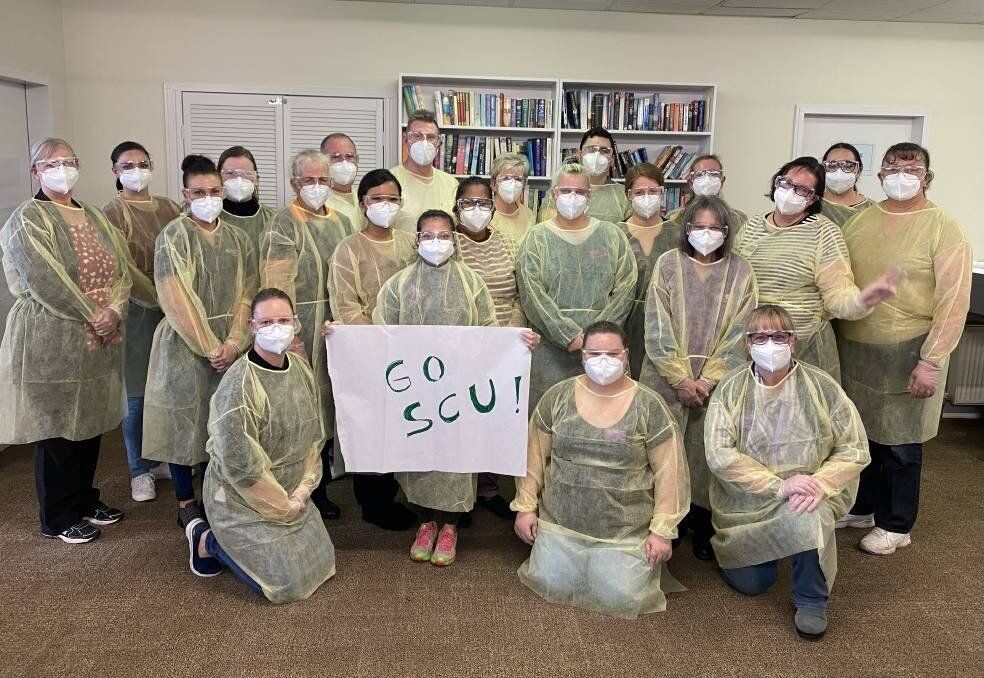
How Can We Better Navigate Staffing in Aged Care Facilities during COVID-19?

The question being asked across the country right now is “Why wasn’t aged care in Victoria better prepared for coronavirus outbreaks?”
ABC 7.30 investigated this issue on August 4th, reporting that “when the first signs of COVID-19 outbreak emerged in aged care facilities in March, it quickly became clear that the vulnerabilities it was exposing were not just those of the frail elderly, but to the system itself of the inherent weaknesses of its workforce.” Watch more here.

COVID-19 Has Exposed the Vulnerability of the Aged Care Workforce

ABC’s 7:30 report questioned the vulnerability of the aged care workforce and raised the issue of the aged care workforce’s ability to deal with the pandemic, referencing “woefully paid” staff with “no minimum training qualifications”.


The Royal Commission into Aged Care will be holding a special sitting next week to look at lessons learnt to date as to what has happened in aged care facilities. At the same time, the Senate Select Committee on COVID-19 has been seeking an explanation from the Federal Minister for Aged Care and related health bureaucrats as to why the early tragedies in aged care failed to trigger preparation for future outbreak

We’re Watching the Victorian Experience Closely

As the leading provider of staff in the aged care industry in NSW, we’re watching the Victorian cases closes, while working hard to support clients who may be impacted by COVID-19. In March 2020 my team supported an Aged Care facility who had a confirmed case of COVID-19 in Sydney helping staff the facility around the clock for four weeks while their staff were in isolation. My team and I are committed to providing qualified and experienced staff to maintain quality of care.


In Victoria every healthcare service and related service where they might find a ready workforce is under pressure because of the community transmission, and there are limits to the identification of a replacement workforce. To compound this issue, ABC 7.30 Reports that only 1 in 3 care workers in Australia have completed the infection control training and the request to put the list of homes with public outbreaks was denied.


Is the response too slow? Can the system cope?

Australian Government’s Guidance for Residential Aged Care Services

The Aged Care Quality & Safety Commission has expanded on the government's guidance with advice for providers of residential aged care services to protect consumers in residential facilities and home care services from the health risks related to COVID-19. This includes specific issues, actions to take, and helpful strategies to ensure the ongoing safety of aged care consumers. You can access the Commission's advice on their website here.


Due to the unprecedented nature of the pandemic, the Commission is encouraging aged care providers to come up with innovative ways to ensure the ongoing health, safety and wellbeing of consumers in their care, from keeping in touch with family and friends to activities that promote engagement. Some of these examples can be viewed here. Scroll down to watch the short video that contains four examples of services' innovative approach to the pandemic, and the current restrictions on visitors.


The Illawarra Mercury reported a new special care unit to protect its residents, staff and the community.  Warrigal is getting more COVID-19 ready by trialling a new special care unit at Warilla. The senior living provider has not recorded any confirmed coronavirus cases in any of its facilities but decided to develop the special care unit itself in its ongoing efforts to protect residents, staff and community from exposure to the virus. Read more here. 

How Can We Better Navigate Staffing in Aged Care Facilities during COVID-19?

The question remains - how can we ensure and support safe, quality care for aged care consumers during visitor restrictions relating to the coronavirus (COVID-19) pandemic?


This Sydney Morning Herald article by Farrah Tomazin and Max Kozlowski was written 10 months ago, prior to COVID-19. This demonstrates there was already a shortage of staff in aged care due to funding shortages to aged care providers from the Australian government. 


Now the industry is at a breaking point, and the sector being criticised, even though they are doing a phenomenal job under the circumstances.

September 28, 2026
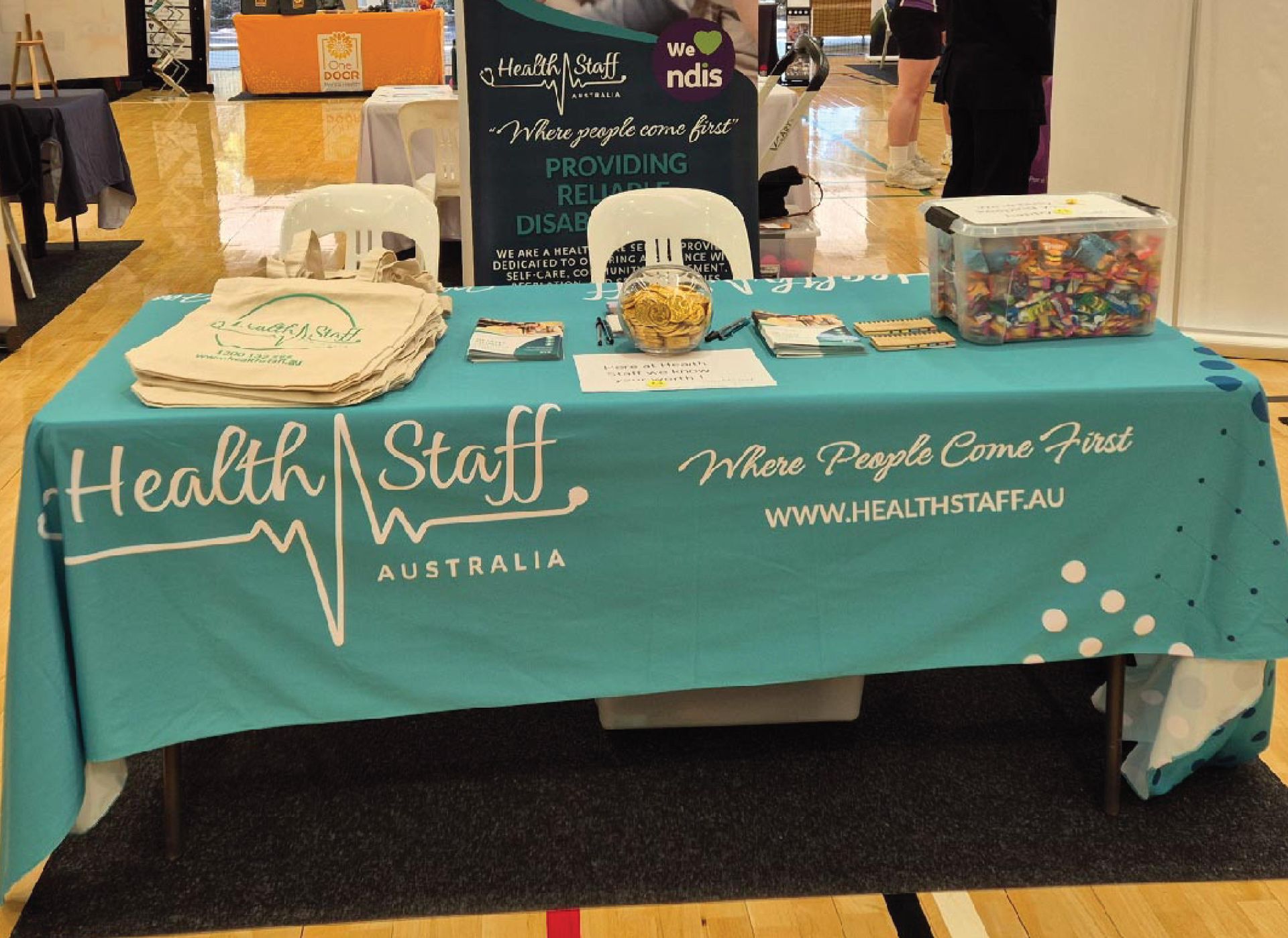
What a day! Thank you, Shoalhaven! 💙 Health Staff Australia was proud to be part of the Shoalhaven Disability Expo 2026, joining the community for a wonderful day focused on connection, inclusion, support and celebrating people of all abilities. With 97 stallholders coming together under one roof, the Expo provided an incredible opportunity for individuals, families, carers and community members to discover services, ask questions, share experiences and connect with organisations that can make a meaningful difference. Connecting with the Community Our Health Staff Australia team was there with our very own stand and table, and we were delighted to welcome so many people throughout the day. A huge thank you to everyone who stopped by our stand, took the time to chat with our team, asked questions and took our details. We loved meeting members of the Shoalhaven community and having the opportunity to introduce Health Staff Australia and the services and support we provide. "The conversations, connections and genuine interest we received made the day a real success for our team."
September 4, 2026
Health Staff Australia is excited to be attending the Shoalhaven Disability Expo 2026 once again as a supplier and exhibitor! Having attended in previous years, we know just how valuable this event is for bringing together people with disability, families, carers, support workers, health professionals, community organisations and service providers. Each year has provided us with a fantastic opportunity to meet new people, have meaningful conversations and connect with the Shoalhaven community. We’re looking forward to being back at Bomaderry on Wednesday, 16 September 2026, and we can’t wait to see both familiar faces and plenty of new ones. Come and Meet the Health Staff Australia Team Health Staff Australia will have a dedicated table at the Expo, and we’d love for you to come and introduce yourself! For our team, attending events like the Shoalhaven Disability Expo is about much more than simply being there as an exhibitor. It gives us the opportunity to connect with people directly, understand the needs of the community, answer questions and introduce people to the services and support we provide. Our previous experiences at the Expo have been incredibly positive. We’ve enjoyed meeting individuals and families, connecting with other service providers and professionals, and building relationships within the local community. These face-to-face conversations are an important part of what we do, and we’re excited to continue building on those connections this year. Whether you’re already familiar with Health Staff Australia or are discovering us for the first time, come and have a chat with our team. We’re always happy to answer questions, share information and talk about how our services may be able to support individuals, families and organisations. Discover Services, Support and Opportunities The Shoalhaven Disability Expo brings more than 90 exhibitors together under one roof, making it an excellent opportunity to discover the range of services and resources available throughout the Shoalhaven and surrounding communities.
July 28, 2026
For many people, home is much more than four walls and a roof. It's where routines are formed, confidence grows, friendships develop and life's everyday moments happen. For people living with disability, having the right home environment can make a significant difference to their independence, wellbeing and quality of life. That's where Supported Independent Living (SIL) comes in. Designed for NDIS participants who require support with everyday living, Supported Independent Living offers more than just accommodation. It provides a safe, supportive environment where people can develop practical life skills, work towards their personal goals and enjoy greater independence while receiving the level of support they need. Rather than focusing on what someone can't do, SIL focuses on what they can achieve with the right support beside them. A Home That Supports Independence Moving into a Supported Independent Living home is often a significant milestone. It represents the opportunity to gain greater independence while maintaining the reassurance of having experienced support workers available when needed. Every participant has unique goals, abilities and aspirations. Some may be working towards managing daily household tasks independently, while others may be focused on increasing community participation, building confidence or developing stronger social connections. SIL is designed to support these individual journeys, recognising that independence looks different for everyone. The beauty of Supported Independent Living is that support is personalised. Participants receive assistance that encourages them to do as much as they can for themselves while providing help where it is needed, creating the perfect balance between independence and support. Everyday Skills That Build Confidence Many of the skills we use every day are things we often take for granted. Preparing meals, doing laundry, shopping for groceries, managing appointments or keeping a home organised all contribute to living independently. Within a Supported Independent Living environment, these everyday activities become opportunities for learning, growth and achievement. Participants are encouraged to build practical life skills such as: Preparing healthy meals Shopping and budgeting Household cleaning and organisation Personal care routines Time management Using public transport Managing appointments Developing communication and social skills Every new skill learned contributes to greater confidence. Often, it's the small achievements that create the biggest sense of accomplishment, helping participants feel more capable and empowered in their daily lives. More Than Support—A Sense of Belonging One of the greatest benefits of Supported Independent Living is the sense of belonging it can provide. Living alongside others creates opportunities to form genuine friendships, share experiences and enjoy everyday moments together. Whether it's cooking dinner, celebrating birthdays, watching a favourite movie or heading out into the community, these shared experiences help reduce isolation and foster meaningful connections.  Feeling part of a household can have a positive impact on emotional wellbeing, helping participants build confidence not only within their home but also in their wider community.