Why Sustainability in Healthcare Matters More Than Ever
World Environment Day | 5 June
When we think about healthcare, our minds naturally go to patient care, medical innovation, and improving lives. Sustainability is not always the first thing that comes to mind. Yet increasingly, the two are becoming impossible to separate.
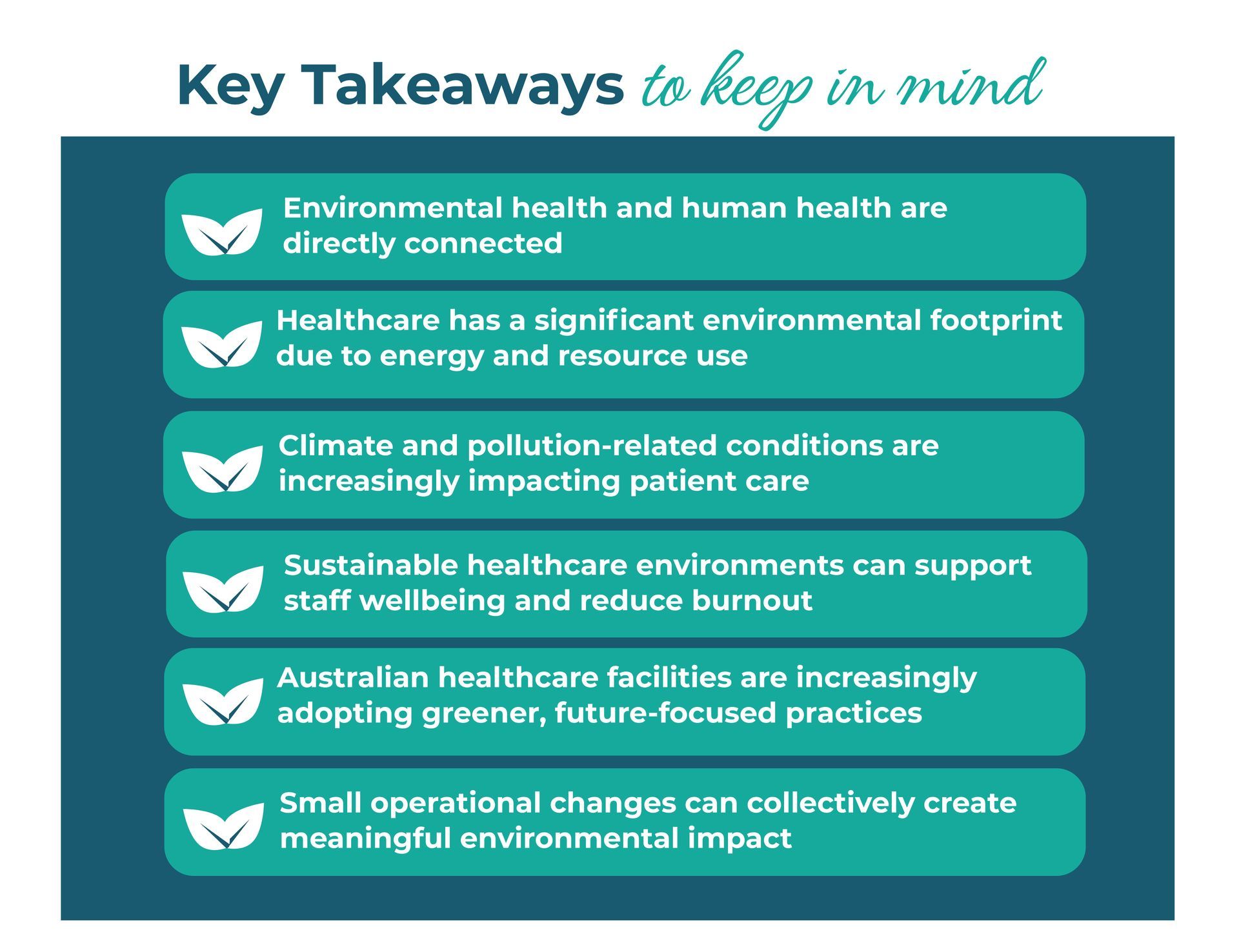
As we mark World Environment Day on 5 June, it’s a moment to reflect on how deeply connected environmental health and human health really are. From hospitals and aged care facilities to clinics and community health services, the way we design, power, and run healthcare systems has a real impact on the world around us.
The Link We Can’t Ignore
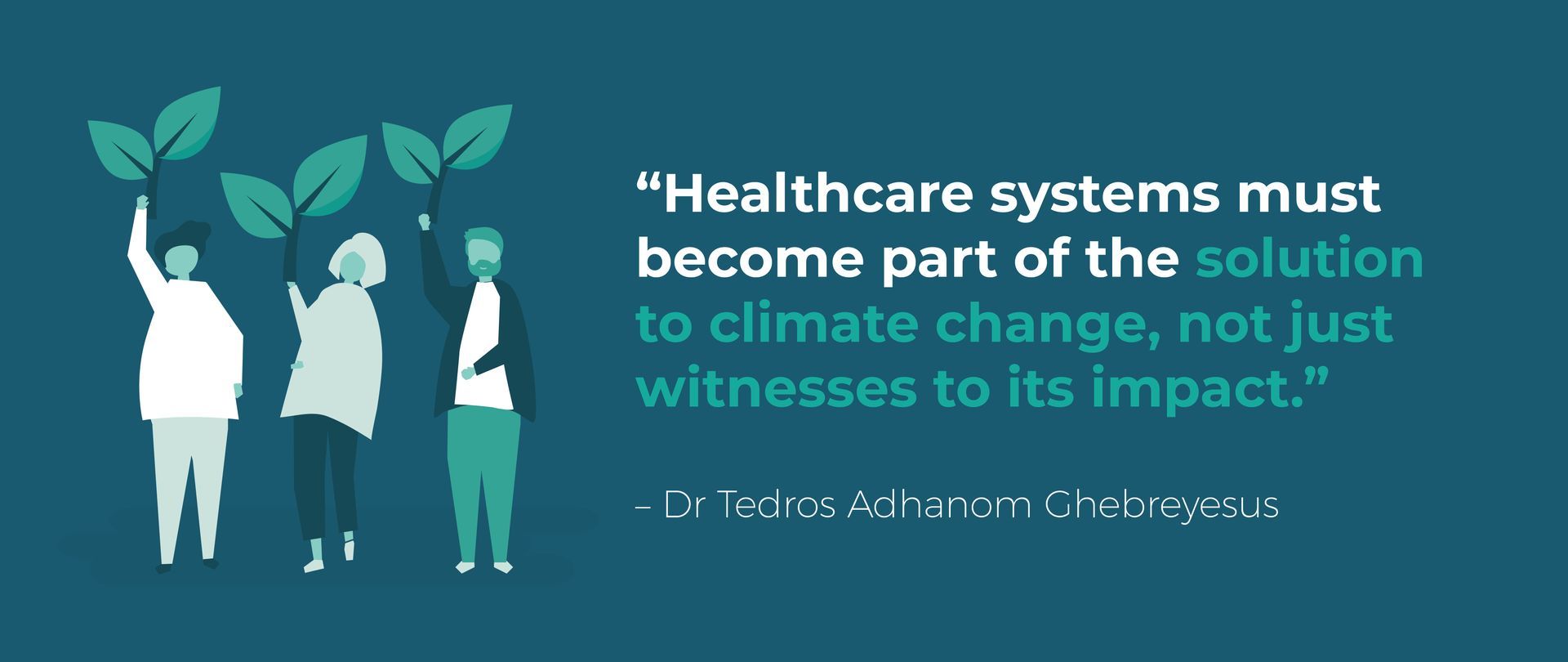
Healthcare professionals are often the first to see how environmental issues translate into real patient outcomes. Poor air quality, heatwaves, pollution, and climate-related illnesses are no longer distant concerns — they are becoming part of everyday clinical reality.
At the same time, healthcare itself is a resource-heavy sector. It exists to save lives, but in doing so it relies on energy, water, single-use materials, and complex supply chains that all contribute to its environmental footprint.
This creates an important challenge: how do we continue delivering high-quality care while reducing harm to the environment that ultimately supports human health?
More Than an Environmental Issue
Sustainability in healthcare is not just about emissions or waste reduction. It also touches the human side of healthcare delivery.
The environments healthcare workers operate in matter. Lighting, air quality, space design, and even access to nature or green elements can influence stress levels, fatigue, and overall wellbeing. In a sector already facing workforce shortages and burnout pressures, this becomes even more important.
Sustainable design and smarter systems don’t replace clinical care — they support the people delivering it.
A Shift Already Happening in Australia
Across Australia, healthcare providers are beginning to rethink how facilities operate.
There is growing investment in energy-efficient buildings, renewable energy sources, improved waste management systems, and more responsible procurement practices.
While change is gradual, the direction is clear: sustainability is becoming part of long-term healthcare planning rather than an optional extra.
Moving Forward
Sustainability in healthcare is not about perfection — it’s about progress. Every improvement, whether large-scale infrastructure changes or small daily operational decisions, contributes to a more resilient system.
This World Environment Day is a reminder that healthcare does not exist in isolation. It is part of a wider ecosystem — one that depends on clean air, stable climates, and healthy communities to function effectively.